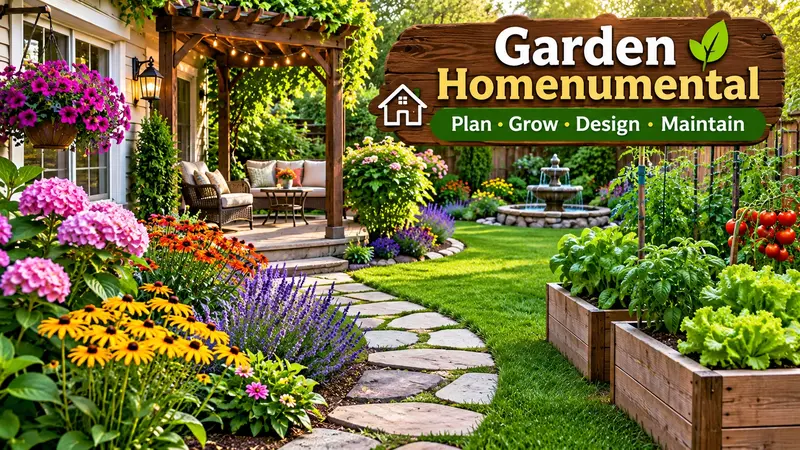
A beautiful garden does more than improve the appearance of a home. It creates a comfortable outdoor space where people can relax, enjoy nature, grow plants, and spend time with family. However, creating a healthy garden requires more than buying flowers and placing them around the yard. Good results depend on thoughtful planning, suitable plants, healthy soil, proper watering, and regular maintenance.
The idea behind Garden Homenumental is to approach outdoor spaces with a balance of beauty, comfort, and everyday usefulness. Whether you have a large backyard, a small patio, a narrow side yard, or a few containers on a balcony, you can create an inviting garden by making practical choices.
You do not need expensive landscaping materials or professional equipment to get started. A clear plan, a suitable selection of plants, and a consistent care routine can make a noticeable difference. This guide explains how to plan your space, choose plants, improve soil, manage water, prevent common problems, and maintain an attractive garden throughout the year.
What Is Garden Homenumental?
Garden Homenumental is an approach to creating outdoor spaces that combine natural beauty with practical design. It focuses on making gardens attractive, comfortable, manageable, and suitable for the people who use them.
A successful garden does not need to follow one particular style. Some homeowners prefer colorful flower beds, while others enjoy growing vegetables, herbs, shrubs, or small trees. Some want a quiet seating area, and others need an outdoor space where children can play.
The most important point is that the garden should match its purpose.
A practical garden plan considers several elements:
- Plant selection: Choosing plants that suit the local climate and available space.
- Garden design: Arranging plants, pathways, and outdoor features in a balanced way.
- Soil quality: Providing suitable conditions for healthy root development.
- Water management: Supplying enough moisture without wasting water.
- Maintenance: Keeping plants healthy through regular care.
- Comfort: Creating areas that people can enjoy throughout the year.
When these elements work together, even an ordinary outdoor area can become a more useful and attractive part of the home.
Start With a Practical Garden Plan
Before purchasing plants or garden decorations, decide what you want to achieve. Planning first can prevent unnecessary spending and reduce future maintenance problems.
Begin by measuring the available area. Note its length, width, existing structures, trees, fences, and walking routes. A simple drawing on paper is enough for an initial layout.
Next, decide how you want to use the space.
For example, you might want:
- A flower garden with seasonal colors.
- A vegetable patch for fresh produce.
- A small herb garden near the kitchen.
- A relaxing outdoor seating area.
- A low-maintenance landscape with shrubs and ground covers.
- A family-friendly yard with open space.
You can combine several purposes, but avoid placing too many features into a limited area.
Set a Realistic Gardening Budget
A garden project can become expensive when purchases happen without a plan. Set a reasonable budget before buying plants, soil, furniture, or decorative materials.
Divide the budget into basic categories:
| Garden item | Main purpose |
|---|---|
| Plants and seeds | Add greenery and flowers. |
| Compost and soil | Support healthy growth. |
| Gardening tools | Make regular work easier. |
| Watering equipment | Maintain suitable moisture. |
| Mulch | Protect soil and reduce weeds |
| Outdoor furniture | Improve comfort |
| Lighting | Make paths and seating areas usable after sunset. |
You do not need to purchase everything immediately. Start with essential items and improve the garden gradually.
Understand Sunlight and Garden Conditions
Sunlight is one of the most important factors in plant selection. Different plants need different amounts of direct light, so observe your garden before deciding where to plant.
Spend a day checking how sunlight moves across the area. Buildings, fences, walls, and mature trees can create shaded sections that may not be obvious in the morning.
Common sunlight categories include:
- Full sun: Usually six or more hours of direct sunlight daily.
- Partial sun: Generally around four to six hours of direct sunlight.
- Partial shade: Limited direct sunlight, often with protection during hotter hours.
- Full shade: Little direct sunlight throughout the day.
These descriptions are general guidelines. Individual plants may have different requirements, so check their growing instructions before planting.
Consider Wind and Drainage
Sunlight is not the only environmental condition that matters.
Strong winds can damage delicate stems, dry out containers, and affect young plants. If your garden receives frequent wind, consider placing taller plants near suitable boundaries or using a secure windbreak.
Drainage is equally important. After rainfall or watering, check whether water remains on the surface for a long time. Persistent standing water may indicate poor drainage.
For problem areas, consider raised beds, suitable soil improvements, or plants that tolerate wetter conditions.
Prepare Healthy Soil Before Planting
Healthy soil provides the foundation for a productive garden. It supports roots, stores moisture, and supplies nutrients that plants need for growth.
However, not all garden soil has the same characteristics.
Understand Different Soil Types
Clay soil
Clay soil contains very small particles and can hold considerable moisture. It may become hard when dry and sticky when wet. Adding suitable organic matter can improve its structure over time.
Sandy soil
Sandy soil drains quickly and usually holds less water and fewer nutrients. Compost and other appropriate organic materials can help improve moisture retention.
Loamy soil
Loam contains a balanced combination of sand, silt, and clay. It generally provides good drainage while retaining enough moisture for many garden plants.
Test Your Soil Before Adding Fertilizer
A soil test can help identify pH levels and nutrient conditions. This information is more useful than applying fertilizer without knowing what the soil actually needs.
Many common garden plants grow well in slightly acidic to neutral soil, although individual preferences vary.
Avoid adding large quantities of fertilizer without a clear reason. Excess nutrients can damage plants and contribute to environmental problems.
Add Compost Carefully
Finished compost improves soil structure and adds organic matter. Spread an appropriate layer over the planting area and mix it into the upper soil when preparing new beds.
Use mature compost rather than fresh kitchen scraps directly around plant roots. Fresh organic material may attract pests or interfere with plant growth.
Choose Plants That Suit Your Space
Plant selection should depend on climate, available sunlight, soil conditions, water access, and maintenance requirements.
A plant that grows successfully in one region may struggle in another. Homeowners in the United States can use their USDA Plant Hardiness Zone as one starting point when choosing perennial plants.
Flowers for Color and Visual Interest
Flowers can make outdoor spaces more attractive by introducing different colors, shapes, and textures.
Some commonly grown options include:
- Marigolds
- Zinnias
- Sunflowers
- Petunias
- Coneflowers
- Black-eyed Susans
Check the growing requirements of each variety because flowering seasons and climate suitability can differ.
Vegetables for a Productive Garden
If you want to grow fresh food, begin with vegetables suited to your growing season.
Common choices include:
- Lettuce
- Tomatoes
- Green beans
- Radishes
- Cucumbers
- Peppers
- Spinach
Consider the available growing space before choosing crops. Tomatoes and cucumbers may need support structures, while lettuce and radishes can fit into smaller beds.
Herbs for Everyday Use
Herbs are useful additions to many home gardens. They can grow in garden beds, containers, or small spaces near a kitchen.
Popular choices include basil, parsley, thyme, rosemary, and mint.
Mint spreads aggressively in suitable conditions, so growing it in a separate container can help prevent it from taking over nearby planting areas.
Create a Garden Layout That Works
A good layout makes a garden easier to use and maintain. It also helps create a natural visual balance between plants and outdoor features.
Start by identifying the main areas of your garden.
For example, you could create:
- A flower bed along a fence.
- A vegetable section in a sunny location.
- A small herb area near the kitchen.
- A seating corner with shade.
- A clear pathway connecting the different sections.
Use Plant Height to Create Balance
Place taller plants where they will not block sunlight from smaller varieties. In many traditional garden beds, taller plants work well toward the back, medium-height plants in the middle, and shorter plants near the front.
However, the best arrangement depends on the direction of sunlight and the shape of the space.
Choose a Consistent Color Scheme
Too many competing colors can make a small garden look crowded.
Choose two or three main flower colors and combine them with different shades of green. You can also use foliage plants to maintain visual interest when flowers are not blooming.
Add Clear Walking Paths
Pathways make gardens easier to access and protect planted areas from unnecessary foot traffic.
Gravel, stepping stones, brick, and natural stone are common choices. Select a material that suits your budget, climate, and maintenance needs.
Keep paths wide enough for comfortable movement and avoid slippery surfaces where people regularly walk.
Water Plants the Right Way
Watering is essential, but more water does not always mean healthier plants. Too much moisture can create root problems, while insufficient watering can cause wilting and poor growth.
The correct amount depends on plant type, soil, temperature, wind, and rainfall.
Check Soil Moisture Before Watering
Rather than following a fixed daily schedule, check the soil around your plants.
For many garden plants, watering when the upper soil begins to dry is more useful than watering automatically every morning. Some plants prefer consistently moist soil, while others need the soil to dry between watering sessions.
Water Near the Base of Plants
Directing water toward the soil helps deliver moisture to the roots. It can also reduce unnecessary wetting of leaves, which may help limit certain fungal problems.
Water slowly enough to allow moisture to reach the root zone instead of running off the surface.
Consider Drip Irrigation
Drip irrigation delivers water close to plant roots through tubing and emitters. It can be useful for vegetable beds, raised planters, and established landscape areas.
Check the system regularly for leaks, blocked emitters, and uneven water delivery.
Use Mulch to Protect Your Garden
Mulch is a useful material placed over the soil surface around plants. It can improve garden conditions and reduce some routine maintenance work.
Common organic mulch materials include:
- Shredded bark
- Wood chips
- Dry leaves
- Pine needles
- Straw
Mulch can help slow moisture loss, reduce weed growth, and protect soil from temperature changes.
Apply it in an appropriate layer based on the material and planting conditions. Keep mulch away from direct contact with tree trunks and plant stems to reduce moisture-related problems.
Organic mulch gradually breaks down and contributes organic matter to the soil. Replace it when necessary rather than allowing it to build up excessively.
Manage Weeds and Common Plant Problems
Weeds compete with garden plants for water, nutrients, sunlight, and space. Removing them early is usually easier than dealing with large, established growth.
Inspect your garden regularly, especially after rainfall.
Pull small weeds before they produce seeds. For deeper-rooted varieties, remove as much of the root system as possible without damaging nearby plants.
Identify Pests Before Taking Action
Not every insect in a garden is harmful. Bees, ladybugs, butterflies, and other beneficial insects contribute to a healthy garden environment.
Before using any pest treatment, identify the problem correctly.
Useful steps include:
- Inspecting the upper and lower sides of leaves.
- Looking for holes, discoloration, or sticky residue.
- Removing badly affected plant material when appropriate.
- Using physical barriers where suitable.
- Encouraging beneficial insects.
- Following product labels if treatment becomes necessary.
Avoid applying pesticides without understanding the target pest and possible effects on beneficial insects.
Watch for Signs of Plant Disease
Yellow leaves, dark spots, powdery growth, and wilting can indicate different problems.
These symptoms do not always have the same cause. Overwatering, poor drainage, nutrient deficiencies, insects, and fungal diseases can produce similar signs.
Check growing conditions before choosing a treatment.
Make a Small Garden Look More Attractive
Limited space does not prevent you from creating a beautiful outdoor environment. The key is to use the available area efficiently.
Container gardening is one practical option for patios, balconies, and small yards.
Choose containers with drainage holes and enough room for the plant’s mature root system. Use an appropriate potting mix rather than assuming ordinary garden soil will work well in every container.
Use Vertical Gardening
Vertical gardening helps use walls, fences, and other suitable structures.
Options include:
- Wall-mounted planters.
- Hanging baskets.
- Trellises for climbing plants.
- Tiered plant stands.
- Narrow raised planters.
Make sure the structure can safely support the weight of the plants, containers, and wet growing material.
Select Plants With Different Textures
Combining plants with different leaf shapes and growth habits creates depth without requiring a large collection.
For example, you can combine upright ornamental grasses, compact flowering plants, and trailing varieties in suitable containers.
Keep the arrangement simple so each plant has enough room to grow.
Add Comfortable Outdoor Features
A garden becomes more useful when it supports everyday activities.
A small bench, weather-resistant chairs, or a shaded seating corner can create a comfortable place to read, relax, or enjoy the surrounding greenery.
Other useful additions include:
Outdoor lighting: Solar or low-voltage lights can help illuminate pathways and seating areas. Position them to avoid glare and unnecessary light pollution.
Garden edging: Suitable edging materials help separate lawns, flower beds, and pathways.
Water features: Small fountains can add visual interest, but they require cleaning and maintenance to prevent stagnant water.
Shade structures: Pergolas, umbrellas, and shade sails can make outdoor seating more comfortable during sunny weather. Secure them properly for local wind conditions.
Choose features according to your space and budget. A few useful additions often work better than filling every empty area with decorations.
Follow a Seasonal Garden Maintenance Routine
Gardens change throughout the year, and their maintenance requirements change with them. A seasonal routine helps you plan tasks before problems become difficult to manage.
Spring Garden Care
Spring is a useful time to inspect beds, remove winter debris, prepare soil, and plant suitable flowers or vegetables.
You can also:
- Check irrigation equipment.
- Add compost where needed.
- Remove dead plant material.
- Inspect shrubs for damaged branches.
- Prepare containers for new plants.
Summer Garden Care
Hot weather increases moisture loss, so check soil conditions regularly.
Focus on watering, weed removal, pest inspection, and harvesting vegetables when ready.
Mulch can help reduce evaporation, particularly around exposed garden beds.
Autumn Garden Care
Autumn is a good time to remove diseased plant material, collect suitable fallen leaves, and prepare certain plants for colder weather.
Some regions also have favorable conditions for planting trees, shrubs, and spring-flowering bulbs.
Winter Garden Care
Winter maintenance depends heavily on local climate.
In colder areas, protect sensitive plants when appropriate and clean and store gardening tools. In milder regions, some vegetables and ornamental plants may continue growing.
Use the season to review your garden layout and plan improvements for the coming year.
Common Gardening Mistakes to Avoid
Even a well-planned garden can face problems when basic requirements are overlooked.
Here are some mistakes worth avoiding:
1. Buying plants before checking conditions
A beautiful plant may not suit your sunlight, soil, or climate. Check its growing requirements before purchasing it.
2. Watering every plant in the same way
Different varieties have different moisture needs. Check soil conditions and follow plant-specific guidance.
3. Planting too closely
Overcrowded plants compete for resources and may experience poor airflow. Follow recommended spacing instructions.
4. Ignoring soil quality
Poor soil conditions can affect root development and plant growth. Test the soil and make suitable improvements.
5. Using too much fertilizer
Excess fertilizer can harm roots and create unnecessary nutrient runoff. Apply it according to soil-test results and product instructions.
6. Ignoring regular maintenance
Small problems become harder to manage when weeds, damaged leaves, and pest activity are left unchecked.
7. Spending too much on decoration
Garden furniture and ornaments cannot replace healthy soil, suitable plants, and proper care. Prioritize the basics first.
Sustainable Gardening Ideas
Sustainable gardening focuses on using resources responsibly while supporting a healthy outdoor environment.
You can begin with a few manageable changes.
Grow Suitable Native Plants
Native plants are adapted to local environmental conditions. Depending on the region and species, they may require less additional watering and provide food or shelter for local wildlife.
Research native options through local extension services or botanical resources before planting.
Collect Rainwater Where Permitted
Rain barrels can collect roof runoff for appropriate outdoor watering. Use covered systems and follow local regulations and water-use guidance.
Compost Suitable Garden Waste
Composting can turn suitable leaves, plant material, and kitchen scraps into a useful soil amendment.
Avoid adding diseased plants, invasive weeds with viable seeds, or unsuitable materials to a home compost system.
Support Pollinators
Planting flowers with different blooming periods can provide resources for pollinators throughout the growing season.
Avoid unnecessary pesticide use and provide suitable water and shelter where possible.
Reduce Unnecessary Lawn Areas
Traditional lawns may require frequent mowing, watering, and other maintenance. Replacing some lawn sections with suitable ground covers, native plants, or garden beds can reduce upkeep in the right conditions.
Frequently Asked Questions
What does Garden Homenumental mean?
Garden Homenumental describes an approach to outdoor gardening that combines attractive design, healthy plants, practical layouts, and manageable maintenance. It focuses on creating useful and welcoming garden spaces.
How do I start a garden at home?
Begin by measuring your available space and checking sunlight, soil, and drainage. Choose plants that suit those conditions, prepare the soil, and start with a manageable planting area.
Which plants are easiest for beginners?
Depending on local climate and growing conditions, beginners may find marigolds, zinnias, lettuce, radishes, basil, and green beans relatively manageable. Always check the requirements of the selected variety.
How often should I water my garden?
There is no single watering schedule that works for every garden. Water requirements depend on plant type, soil, temperature, rainfall, and container size. Check soil moisture before watering.
How can I improve poor garden soil?
Start with a soil test to understand its pH and nutrient conditions. Adding suitable finished compost and organic matter can improve soil structure, although the best treatment depends on the soil type.
Can I create a garden in a small space?
Yes. Containers, vertical planters, hanging baskets, compact vegetables, and carefully selected flowering plants can help make a small outdoor area productive and attractive.
What is the best mulch for a home garden?
Suitable options include shredded bark, wood chips, dry leaves, straw, and pine needles. The right choice depends on the plants, climate, and garden purpose.
How do I keep weeds under control?
Remove weeds while they are small, maintain suitable mulch coverage, and inspect garden beds regularly. Avoid allowing weeds to produce seeds.
Is compost better than chemical fertilizer?
Compost and fertilizer serve different purposes. Compost improves soil structure and adds organic matter, while fertilizers supply nutrients in specific amounts. Your soil conditions and plant requirements determine what is appropriate.
How can I maintain a garden throughout the year?
Follow a seasonal routine that includes soil care, watering, pruning when appropriate, weed removal, pest inspections, and preparation for changing weather.
Final Thoughts
Creating a beautiful garden is a gradual process. It begins with understanding your outdoor space and making choices that support healthy plant growth. Suitable plants, well-prepared soil, thoughtful layouts, and responsible watering can help turn an ordinary yard into a welcoming outdoor environment.
The Garden Homenumental approach brings these elements together by focusing on both appearance and everyday usefulness. You can start with a few containers, a small flower bed, or a simple vegetable patch and expand as your experience grows.
Remember that every garden has different conditions. What works in one climate or soil type may not work in another. Observe your plants, learn from seasonal changes, and adjust your care routine when necessary.
With realistic planning and consistent attention, your garden can become a more attractive, productive, and enjoyable part of your home.