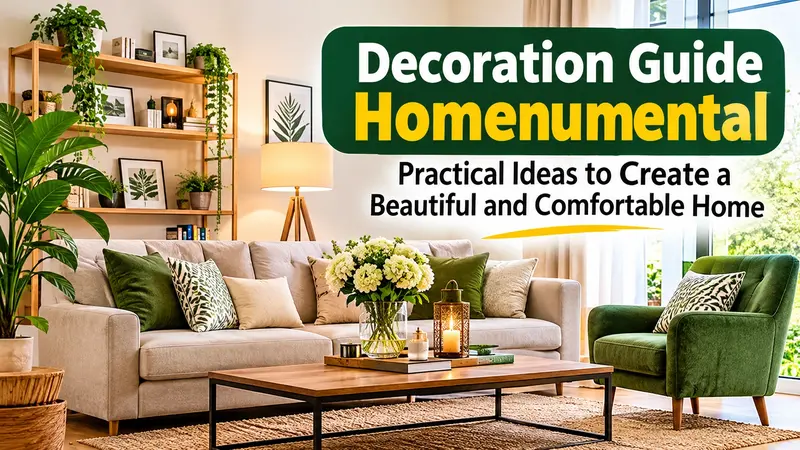
A beautiful home does not need expensive furniture, luxury accessories, or a complete renovation. Often, the best results come from thoughtful planning, suitable colors, comfortable furniture, and a few personal details.
Home decoration is about creating an environment that looks attractive and supports everyday activities. A living room should provide a comfortable place to relax, a bedroom should feel peaceful, and a kitchen should make cooking and daily tasks easier.
This decoration guide Homenumental brings together practical ideas that can help homeowners improve different areas of their homes. Whether you are decorating a new property, updating an older room, or making a small apartment more comfortable, the right approach can help you avoid unnecessary spending.
The most useful decorating decisions balance three things:
- Comfort: Choose furniture, lighting, and materials that make daily life easier.
- Appearance: Use colors, textures, and accessories that create a consistent style.
- Practicality: Make sure every room has enough storage, space, and useful features.
You do not have to complete every room at once. Starting with one area and making improvements gradually can be easier to manage.
How to Plan Your Home Decoration Project
Before buying furniture or choosing paint, understand what your home actually needs. A little planning can prevent expensive mistakes and help you make better decisions.
1. Review Each Room
Walk through your home and look at every room carefully. Notice which areas already work well and which ones need attention.
Ask yourself:
- Is there enough space to move comfortably?
- Does the room receive sufficient natural light?
- Is the furniture suitable for the room’s size?
- Are there places where clutter collects?
- Does the room feel comfortable for its main purpose?
Write down your observations. This simple exercise helps you identify priorities instead of buying decorative items without a clear reason.
2. Create a Simple Design Plan
Collect photographs of rooms, furniture, and colors that appeal to you. Look for common features in your choices.
You may notice that you prefer natural wood, neutral walls, soft lighting, or simple furniture. These repeated details can help you develop a consistent decorating direction.
You can also describe your preferred atmosphere in three words, such as:
- Warm, natural, and relaxed
- Modern, clean, and bright
- Simple, peaceful, and comfortable
- Colorful, creative, and welcoming
Use these words as a guide when choosing furniture and accessories.
3. Set Your Priorities
Divide your decorating ideas into three groups:
| Priority | Examples | Reason |
|---|---|---|
| Essential | Repairs, storage, lighting | Improves daily comfort |
| Important | Furniture, curtains, rugs | Makes the room more useful |
| Optional | Artwork, cushions, decorative objects | Adds personality |
Complete essential improvements before spending money on optional accessories.
4. Prepare a Realistic Budget
Decide how much you can comfortably spend. Then divide your budget between the main items.
| Budget Area | Suggested Spending Purpose |
|---|---|
| Repairs | Fix damaged surfaces and hardware. |
| Furniture | Buy or improve essential pieces. |
| Lighting | Add suitable general and task lighting. |
| Textiles | Choose curtains, rugs, and bedding. |
| Accessories | Add plants, artwork, and decorative items. |
Keep some money available for unexpected expenses, such as delivery fees, installation, or additional materials.
Choose a Decorating Style That Fits Your Life
A decorating style helps connect different rooms and makes the home feel more organized. However, you do not need to follow one design trend exactly.
Choose a style that matches your personal taste, available space, and daily routine.
| Decorating Style | Main Features | Common Colors |
|---|---|---|
| Modern | Clean lines and simple furniture | White, gray, black |
| Minimalist | Fewer items and open spaces | White, beige, soft gray |
| Scandinavian | Natural wood and comfortable textiles | Cream, pale gray, light wood |
| Modern farmhouse | Rustic details and simple finishes | Warm white, brown, muted green |
| Traditional | Classic furniture and decorative details | Deep red, cream, navy |
| Bohemian | Layered fabrics, patterns, and plants | Earthy shades and rich colors |
You can also combine two styles. For example, modern furniture can work well with traditional artwork or natural wooden accessories.
The important thing is to repeat a few colors and materials so the rooms feel connected.
Select the Right Colors for Every Room
Color has a strong effect on how a room looks and feels. It can make a small space appear brighter, create a comfortable atmosphere, or add visual interest.
Before choosing paint, consider the room’s size, natural light, furniture, and purpose.
Understand the 60-30-10 Color Rule
The 60-30-10 rule is a simple way to organize colors in a room:
- 60% dominant color: Usually used on walls or other large surfaces.
- 30% secondary color: Appears in furniture, curtains, or larger textiles.
- 10% accent color: Adds contrast through cushions, artwork, or small accessories.
For example, a living room could use warm white as its main color, light brown for furniture, and dark green for small decorative details.
This is a flexible guideline rather than a strict requirement.
Choose Colors According to the Room
| Color Family | Common Effect | Suitable Areas |
|---|---|---|
| Soft blue and green | Calm and gentle | Bedrooms and bathrooms |
| Warm beige and cream | Comfortable and welcoming | Living rooms and hallways |
| White and pale gray | Bright and open | Small rooms and kitchens |
| Yellow and muted orange | Cheerful and energetic | Dining areas and kitchens |
| Navy and charcoal | Deep and dramatic | Accent walls and study areas |
Test Paint Before Applying It
A paint color can look different depending on the amount of daylight and the type of artificial lighting in a room.
Purchase a small sample and test it on the actual wall. Observe it at different times of the day before making your final decision.
Also consider how the wall color will look beside your flooring, curtains, furniture, and other fixed surfaces.
Arrange Furniture for Comfort and Space
Furniture affects both the appearance and functionality of a room. Even attractive furniture can make a space uncomfortable if it is too large or arranged poorly.
Start with the largest item in the room. In a living room, this is often the sofa. In a bedroom, it is usually the bed.
Measure Before Buying
Measure the room, doorways, windows, and available wall space. Remember to check whether furniture can pass through the entrance before ordering it.
You can use painter’s tape to mark the approximate size of a sofa, bed, or table on the floor. This helps you understand how much walking space will remain.
Keep Walkways Clear
Arrange furniture so people can move around without constantly avoiding chairs or tables.
Avoid blocking doors, windows, heating vents, and other important areas. In smaller rooms, fewer well-chosen pieces are often better than several oversized items.
Use Multifunctional Furniture
Furniture that serves more than one purpose is especially useful in apartments and compact homes.
Examples include
- Beds with drawers underneath
- Storage ottomans
- Folding dining tables
- Nesting coffee tables
- Benches with hidden storage
- Desks that can fold against a wall
These choices help reduce clutter while keeping everyday items accessible.
Improve Your Home With Proper Lighting
Lighting can change the appearance of furniture, wall colors, and decorative materials. It also affects how comfortably you can use a room.
A well-planned lighting arrangement usually combines three types.
| Lighting Type | Main Purpose | Examples |
|---|---|---|
| Ambient | Provides general room lighting | Ceiling lights and recessed fixtures |
| Task | Supports specific activities | Reading lamps and under-cabinet lights |
| Accent | Highlights selected features | Picture lights and decorative lamps |
Make Better Use of Natural Light
Keep windows reasonably clear so daylight can enter. Choose curtains that provide privacy without making the room unnecessarily dark.
Mirrors can also reflect natural light when placed thoughtfully. However, their position should be based on the room layout and the direction of the windows.
Choose Suitable Bulb Colors
Light color is often described in Kelvin (K).
- Warm white light creates a softer atmosphere and often works well in bedrooms and living rooms.
- Neutral white light provides a balanced appearance for kitchens and general household tasks.
- Cooler white light can be useful in work areas where clear visibility matters.
Consider the purpose of each room rather than using the same bulb color everywhere.
Choose Durable Materials and Textures
The materials in your home should match your lifestyle. A household with children or pets may need different furniture and fabrics from a home used by one person.
| Material | Common Uses | Important Consideration |
|---|---|---|
| Cotton | Curtains, bedding, and cushions | Comfortable and easy to find |
| Linen | Curtains and decorative textiles | Natural texture but wrinkles easily |
| Leather | Sofas and chairs | Needs suitable care |
| Wool | Rugs and blankets | Soft and often durable |
| Solid wood | Tables and cabinets | Can last for years with maintenance |
| Jute and sisal | Decorative rugs | Natural appearance but can be harder to clean |
Do not choose materials based on appearance alone. Think about cleaning, maintenance, durability, and how frequently each item will be used.
Combining different textures can also make a room more interesting. For example, a wooden coffee table, a soft rug, and cotton cushions can create a comfortable balance without adding too many colors.
Decorate Your Home Room by Room
Every room has a different purpose. A good decorating plan considers how people use each space rather than applying exactly the same arrangement everywhere.
Living Room Decoration
The living room is often used for relaxing, entertaining guests, and spending time with family.
Start by arranging seating around a natural focal point, such as a fireplace, television, large window, or feature wall.
Useful ideas include:
- Choose a sofa that fits the room.
- Add a rug to define the seating area.
- Use table and floor lamps for evening lighting.
- Display a few meaningful photographs or artworks.
- Add plants where they receive suitable light.
- Keep walking areas open.
Avoid filling every empty corner. Open space makes a living room easier to use and maintain.
Kitchen and Dining Area
A kitchen should be practical, clean, and comfortable to work in. Keep frequently used items within easy reach and use cabinets or organizers to reduce countertop clutter.
Under-cabinet lighting can improve visibility when preparing food. Pendant lights can also add character above a dining table or kitchen island.
For an open-plan home, repeat one or two colors or materials between the kitchen and living room. This helps the areas feel connected.
Bedroom Decoration
A bedroom should provide a peaceful place to rest. Choose comfortable bedding, suitable curtains, and lighting that supports relaxing activities.
Consider these improvements:
- Use soft colors if you prefer a calm atmosphere.
- Choose bedside lamps for reading.
- Add storage under the bed when space is limited.
- Keep bedside tables organized.
- Select curtains that provide the privacy and light control you need.
Avoid unnecessary furniture that makes it difficult to move around the bed.
Bathroom Decoration
Bathrooms often have limited space, so simple improvements can make a noticeable difference.
Use matching towels, practical storage, and a suitable mirror to improve the appearance. Choose materials that can handle moisture and clean them regularly.
If you want to add plants, select varieties that can tolerate the available light and humidity.
Always use appropriate materials and professional help for plumbing or electrical changes.
Home Office Decoration
A home office should support concentration and comfortable working.
Place your desk where you have enough light and space. Choose a chair that supports a comfortable working position and keep cables organized.
Shelves, drawers, and closed storage can reduce visible clutter. A small plant or a personal artwork can make the room feel more welcoming.
Entryway Decoration
The entryway creates the first impression of your home. It should be attractive but also useful.
A small bench, wall hooks, shoe storage, and a mirror can make this area more practical. If the space is narrow, use slim furniture rather than bulky cabinets.
Make Small Rooms Look More Spacious
Small rooms can feel comfortable and stylish when their layouts are planned carefully. The goal is not to fill every corner but to make the available space work better.
Try these ideas:
- Use lighter wall colors: Soft shades can help a room feel brighter.
- Choose furniture carefully: Avoid oversized pieces that block movement.
- Use mirrors thoughtfully: They can reflect light and create a greater sense of openness.
- Add vertical storage: Tall shelves use wall space instead of taking up more floor area.
- Keep floors visible: Too many objects on the floor can make a small room feel crowded.
- Choose multifunctional furniture: Storage beds and folding tables can serve several purposes.
- Use curtains strategically: Hanging curtain rods higher can draw the eye upward.
Good organization is just as important as decoration in a small home. Give everyday objects a proper place so they do not collect on tables and counters.
Create Beautiful Walls With Personal Details
Walls provide an opportunity to show your personality. You can use artwork, photographs, mirrors, shelves, or a carefully selected accent color.
Try a Gallery Wall
A gallery wall can display family photographs, prints, or artwork. Before hanging anything, arrange the frames on the floor to test the layout.
Use similar frame colors or a shared theme to create a connected appearance.
Use Mirrors as Decorative Features
Mirrors can make a room feel brighter when positioned where they reflect useful light. Choose a frame that matches the furniture and other finishes.
Add Floating Shelves
Floating shelves provide display and storage space. Use them for books, small plants, photographs, and selected decorative objects.
Avoid overcrowding them. Leaving some open space helps each item stand out.
Choose Meaningful Decorations
Travel souvenirs, handmade objects, family photographs, and artwork can make a home feel personal.
The best accessories are not necessarily expensive. Choose pieces that have meaning or complement the room.
Decorate Your Home on a Budget
A limited budget does not mean you have to accept an unattractive home. Many improvements involve using what you already own in a better way.
| Budget Level | Decorating Ideas |
|---|---|
| Free | Rearrange furniture, declutter, move artwork |
| Low cost | Replace cushion covers, add plants, change light bulbs |
| Moderate | Paint a room, update curtains, buy a rug |
| Higher | Replace major furniture or install custom storage |
Reuse What You Already Have
Before buying new furniture, consider whether existing pieces can be cleaned, repaired, repainted, or moved to another room.
An old table may look completely different with a fresh finish. A chair may become more attractive with a new cushion or fabric cover.
Shop With a Plan
Make a list of what you need and compare different options before purchasing.
Check measurements, material quality, return policies, and delivery costs. Avoid buying accessories simply because they are discounted.
Focus on High-Impact Changes
If your budget is limited, prioritize improvements that affect the whole room. Fresh paint, better lighting, organized storage, and a properly sized rug can make a noticeable difference.
Make Sustainable and Energy-Efficient Choices
Sustainable decorating focuses on making thoughtful choices that reduce waste and support longer-lasting use.
You do not have to replace everything with new eco-friendly products. Keeping existing furniture in good condition is often a practical first step.
Consider the following ideas:
- Repair or refinish furniture instead of throwing it away.
- Buy secondhand pieces when they meet your needs.
- Choose durable materials that can be maintained.
- Use washable textiles where practical.
- Select LED bulbs for suitable light fixtures.
- Make use of daylight when possible.
- Avoid buying decorative items that you do not need.
Reduce Household Energy Use
Lighting is one area where small changes can help.
LED bulbs generally use less electricity than traditional incandescent bulbs and are available in different brightness levels and color temperatures.
Choose bulbs with suitable brightness for each room. Use compatible dimmers or timers where they make sense, and switch off lights when they are not needed.
Window coverings can also help manage sunlight, privacy, and indoor comfort. Their effectiveness depends on the type of window, material, and local climate.
Add Smart Features That Make Life Easier
Smart home products can make some household tasks more convenient, but they should solve a real problem.
Useful examples include:
- Smart bulbs for adjusting brightness.
- Smart plugs for controlling compatible lamps.
- Motion-sensor lights for hallways.
- Smart thermostats for managing heating and cooling.
- Motorized blinds for difficult-to-reach windows.
Before purchasing a device, check compatibility with your existing equipment and home network. Consider privacy, security updates, and ongoing costs.
You do not need smart technology in every room. A few useful devices are often better than a complicated system that is difficult to manage.
Common Home Decorating Mistakes to Avoid
Even good decorating ideas can produce disappointing results when they are not planned properly.
Buying Furniture Without Measuring
A sofa or dining table may look attractive in a store but be too large for your room. Always measure the space and check doorway access before ordering.
Using Too Many Colors
Several unrelated colors can make a room feel disconnected. Choose a main color and use a smaller selection of complementary shades.
Ignoring Storage
Without enough storage, clutter can quickly return. Plan shelves, cabinets, baskets, and drawers according to the items you use every day.
Following Every Trend
Design trends change. Build your home around personal preferences and use trendy colors or accessories in smaller, replaceable items.
Choosing Appearance Over Comfort
An attractive chair is not useful if nobody wants to sit in it. Consider comfort, size, and everyday use before buying furniture.
Poor Lighting Choices
One ceiling light may not provide enough brightness for every activity. Combine general lighting with task and accent lighting where appropriate.
Skipping Paint Samples
A color may look different in your room than it does in a photograph or store display. Test samples before painting large areas.
How to Maintain a Beautiful Home
Decoration is not a one-time project. Regular cleaning and organization help preserve the appearance of your rooms.
A simple maintenance routine can make a big difference.
| Frequency | Suggested Tasks |
|---|---|
| Daily | Make beds, clear surfaces, return items to their places |
| Weekly | Dust furniture, vacuum floors, clean frequently used areas |
| Monthly | Clean windows, check light fixtures, organize storage |
| Seasonally | Wash curtains, rotate textiles, inspect furniture and rugs |
Keep Surfaces Simple
Avoid using every table or shelf as a storage area. Display a few selected objects and keep everyday items organized.
Look After Furniture and Fabrics
Follow the cleaning instructions provided for furniture, rugs, curtains, and upholstery. Different materials need different care.
Update Small Details When Needed
You do not need to redecorate an entire room to make it feel fresh. Changing cushion covers, moving artwork, or introducing seasonal textiles can create a new look without major spending.
Frequently Asked Questions
1. What is the best way to start decorating a home?
Start by reviewing each room and identifying what needs improvement. Set a budget, choose a preferred style, measure the available space, and make a list of essential purchases before shopping.
2. How can I decorate my home without spending too much?
Rearrange existing furniture, remove unnecessary clutter, repaint selected surfaces, and update small accessories. Buying secondhand furniture and repairing older pieces can also reduce costs.
3. Which colors are suitable for small rooms?
Soft white, cream, pale gray, and light beige can help small rooms feel brighter. However, the best choice depends on natural light, furniture, and personal preference.
4. How can I make my living room look more attractive?
Arrange furniture around a focal point, use a suitable rug, improve lighting, and add a few meaningful decorations. Keep enough open space for comfortable movement.
5. What type of lighting is best for a home?
A combination of ambient, task, and accent lighting usually works well. Use comfortable lighting in relaxation areas and brighter task lighting where clear visibility is important.
6. How do I choose furniture for a small home?
Measure the room before purchasing and look for compact or multifunctional pieces. Storage beds, folding tables, and nesting furniture can help save space.
7. Is it better to decorate one room at a time?
Yes, decorating one room at a time can make budgeting and planning easier. It also allows you to learn what works before making changes elsewhere.
8. How can I make my home look more organized?
Give everyday items a specific storage place, keep surfaces clear, use baskets and cabinets, and regularly remove things you no longer need.
9. What are some affordable ways to update a bedroom?
Change bedding, add suitable curtains, improve bedside lighting, rearrange furniture, and use a few personal decorations. These updates can refresh the room without replacing major furniture.
10. Should I follow current home decoration trends?
You can use trends for inspiration, but your home should reflect your needs and preferences. Add temporary trends through accessories rather than making expensive changes that may quickly feel outdated.
Conclusion
Creating a comfortable and attractive home starts with thoughtful decisions rather than expensive purchases. The right colors, practical furniture, balanced lighting, and useful storage can improve the way every room looks and works.
This decoration guide Homenumental provides a starting point for planning your home, choosing suitable materials, decorating different rooms, and managing your budget. You can apply these ideas gradually instead of trying to change everything at once.
Remember to measure before buying, consider how each room is used, and choose decorations that reflect your personal style. A beautiful home is not one that follows every trend. It is a place that feels welcoming, stays practical, and supports the people who live in it.