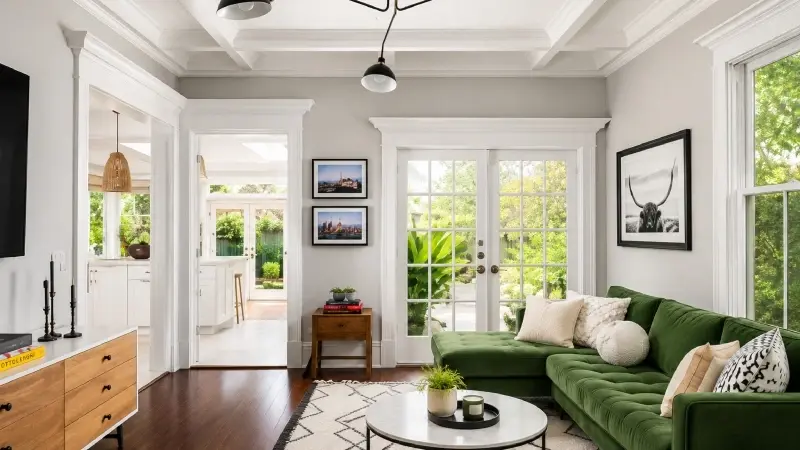
A home quietly tells the story of the people who live in it. As years pass, routines change, families grow, technology evolves, and personal preferences shift. A room that once felt practical may no longer support everyday activities, while unused corners begin to collect clutter instead of serving a purpose. Rather than searching for a new property, many homeowners discover that reshaping their current space provides a smarter and more rewarding solution. This is where Home Renovation becomes an investment in comfort, efficiency, and long-term satisfaction instead of simply changing appearances.
Every successful project begins with observation rather than construction. Before selecting paint colors or browsing flooring samples, spend time noticing how your home performs during a normal week. Perhaps natural light never reaches your workspace, storage disappears faster than expected, or family members constantly compete for the same area during busy mornings. These small frustrations often reveal the improvements that matter most.
Many people assume that renovating always involves removing walls or spending large amounts of money. In reality, meaningful improvements usually come from solving everyday problems. Rearranging the layout, increasing storage, improving lighting, or replacing worn finishes can completely change how a home feels without dramatically altering its structure.
Looking Beyond Appearance
The most rewarding improvements are not always the most visible ones. While fresh finishes certainly create a cleaner appearance, lasting value comes from changes that improve everyday living.
Evaluate each room based on how well it supports your daily activities rather than whether it reflects the latest design trends. A kitchen should simplify meal preparation, a bedroom should encourage restful sleep, and shared living areas should comfortably bring people together. When every space serves its purpose efficiently, the entire home becomes easier to enjoy.
This practical mindset also reduces unnecessary spending because every decision supports a clear objective instead of following temporary fashion.
Turning Ideas Into a Realistic Plan
Excitement often encourages people to begin purchasing materials immediately, but careful preparation produces better results. Start by recording everything you would like to improve, then separate those ideas according to importance.
For example:
- Repairs that affect safety or daily function deserve immediate attention.
- Improvements that increase comfort can follow next.
- Decorative updates can wait until essential work has been completed.
Working in this order creates a steady renovation journey instead of an overwhelming project.
It is equally important to recognize that unexpected discoveries sometimes appear after work begins. Aging plumbing hidden behind walls, damaged insulation, or outdated electrical wiring may require attention before visible improvements continue. Allowing room in both your schedule and budget for these surprises helps prevent unnecessary stress later.
Every Room Has Different Priorities
Instead of treating every area of the home equally, consider how often each space is used.
A busy kitchen benefits from better organization and smoother movement between work areas. Bathrooms deserve durable materials that withstand daily moisture. Living spaces should encourage conversation while remaining flexible enough for entertainment, relaxation, or remote work. Bedrooms perform best when distractions are reduced and storage keeps unnecessary items out of sight.
Viewing each room through the lens of daily experience leads to decisions that remain valuable long after construction ends.
Design Choices That Continue to Add Value
A renovation should remain useful long after the paint has dried and the furniture has been arranged. While attractive finishes improve appearance, long-term satisfaction comes from making thoughtful decisions that continue to serve your household as life changes.
For this reason, choose materials that combine durability with easy maintenance. Floors, worktops, and wall finishes experience daily use, so selecting products that resist wear can reduce future repair costs. A surface that stays attractive for many years often proves to be a better investment than one chosen only because it is fashionable.
At the same time, avoid filling rooms with too many decorative features. Clean layouts and practical storage usually create spaces that remain appealing even as interior styles evolve.
Lighting Shapes the Entire Experience
Lighting affects more than visibility. It influences comfort, mood, and how spacious a room appears.
Whenever possible, allow natural daylight to become the primary light source during daytime hours. Large windows, light-colored walls, and reflective finishes can help distribute sunlight throughout the home.
After sunset, combine different types of lighting instead of depending on a single ceiling fixture. Task lighting improves work areas, while softer lighting creates a relaxing atmosphere in living rooms and bedrooms. Layering light sources also allows each room to adapt to different activities throughout the day.
Build With Tomorrow in Mind
A renovation should solve today’s challenges while remaining useful for years ahead.
Think about how your family’s needs may change over time. Children grow, work habits evolve, and hobbies often require additional space. Flexible rooms are easier to adapt than highly specialized designs that only serve one purpose.
Simple adjustments, such as installing extra electrical outlets, planning additional storage, or leaving space for future improvements, can prevent expensive alterations later.
Choosing timeless finishes also helps maintain the home’s appeal. Neutral colors and balanced designs generally remain attractive longer than bold trends that quickly lose popularity.
Improve Comfort Through Better Efficiency
Modern homeowners increasingly value improvements that reduce waste while creating a more comfortable living environment.
Replacing older windows, sealing unwanted air leaks, and improving insulation can help maintain indoor temperatures throughout the year. These changes often reduce the strain on heating and cooling systems while making each room more pleasant during changing seasons.
Energy-efficient appliances and LED lighting also contribute to lower household expenses without changing everyday routines. Although some upgrades require a larger initial investment, the long-term savings frequently justify the cost.
Water conservation deserves equal attention. Installing efficient taps, showerheads, and dual-flush toilets helps reduce unnecessary water use while maintaining excellent performance.
Choose Professionals Carefully
Not every renovation requires outside assistance, but larger projects usually benefit from experienced professionals.
Before hiring anyone, review previous work, request detailed quotations, and discuss realistic completion schedules. Clear communication from the beginning reduces misunderstandings once construction starts.
Rather than selecting the lowest price immediately, compare experience, workmanship, reliability, and customer feedback. A skilled contractor who delivers quality results often saves more money than correcting poor workmanship later.
It is equally valuable to maintain written records of agreements, project stages, and expected timelines. Clear documentation helps everyone remain focused on the same objectives throughout the renovation process.
Avoid Decisions That Create Problems Later
Excitement often encourages homeowners to make quick choices, especially after seeing attractive designs online. However, rushing through important decisions can lead to unnecessary expenses and disappointing results.
One common mistake is selecting materials without considering how they will perform over time. A beautiful surface may look impressive in a showroom but require constant maintenance once installed. Always think about durability, cleaning requirements, and how frequently a space will be used.
Another issue is making changes without considering the overall layout of the home. Every improvement should complement nearby rooms so the entire property feels balanced instead of disconnected.
Changing plans after construction has already started is another costly habit. Every unexpected adjustment can increase labor, delay completion, and create additional waste. Spending extra time on planning usually prevents these problems before work begins.
Storage Should Never Be an Afterthought
Many people focus on colors, furniture, and decorative details while overlooking storage. As a result, beautifully renovated rooms can quickly become cluttered.
Smart storage does not always require additional floor space. Built-in shelves, under-stair cabinets, hidden compartments, and multi-purpose furniture can keep everyday items organized without making rooms feel crowded.
When storage is planned from the beginning, every room remains easier to maintain and far more enjoyable to use.
Create a Comfortable Flow Throughout the Home
A well-designed home should feel easy to move through. People should naturally transition from one room to another without unnecessary obstacles or cramped spaces.
Think about how family members use each area during a normal day. Kitchens should allow comfortable movement while preparing meals. Hallways should remain clear, and living spaces should encourage conversation without restricting movement.
Furniture placement also influences comfort. Leaving enough open space between major pieces creates a cleaner appearance while making the home feel larger than it actually is.
Small adjustments in layout often improve everyday living more than expensive decorative upgrades.
Choose Quality Instead of Quantity
Buying everything at once may seem convenient, but filling a home with unnecessary features rarely produces the best outcome.
Instead, invest in improvements that provide lasting benefits. Durable flooring, reliable fixtures, strong cabinetry, and quality hardware generally perform better over time than lower-cost alternatives that require frequent replacement.
This approach also allows future updates to happen gradually without making previous improvements feel outdated.
Thoughtful spending usually delivers better long-term results than trying to complete every idea within a single project.
Maintain a Consistent Design Direction
Each room can have its own personality, but the entire home should still feel connected.
Repeating similar colors, flooring materials, finishes, or architectural details creates a natural flow from one space to another. This consistency makes the property feel carefully planned rather than assembled in separate stages.
That does not mean every room must look identical. Small differences in texture, furniture, or decorative accents can add character while preserving visual harmony.
A balanced design also makes future improvements easier because new additions naturally blend with the existing style.
Think Beyond Today’s Needs
The most successful renovations continue delivering value for many years.
When making decisions, consider how your lifestyle might change in the future. Extra storage, adaptable workspaces, wider walkways, and flexible room layouts can support changing family needs without requiring another major renovation.
Designing with flexibility in mind helps protect your investment while ensuring the home remains practical as life evolves.
Small Finishing Touches That Make a Lasting Difference
Major improvements often receive the most attention, but smaller details are what people notice every day. Replacing worn door handles, updating cabinet hardware, installing modern switches, or refreshing interior doors can give a home a polished appearance without requiring major construction.
Wall décor, indoor plants, rugs, and carefully selected artwork also add warmth and personality. These finishing elements should complement the overall design instead of overwhelming the space. A balanced approach creates a welcoming environment that feels comfortable rather than crowded.
Soft furnishings deserve attention as well. Curtains, cushions, and textured fabrics can introduce color and comfort while allowing you to refresh the look of a room whenever your preferences change.
Protect Your Investment Through Regular Care
Completing a renovation is not the final step. Proper maintenance keeps every improvement looking its best and helps avoid unnecessary repair costs.
Inspect your home regularly for small issues such as loose fittings, peeling paint, minor leaks, or damaged sealants. Fixing these problems early is usually faster and less expensive than waiting until they become major repairs.
Routine cleaning also plays an important role. Different materials require different care, so always use suitable cleaning products to preserve their appearance and extend their lifespan.
Creating a simple maintenance schedule for seasonal inspections, filter replacements, and exterior checks can prevent many common household problems before they develop.
Build a Home That Reflects Your Lifestyle
A successful renovation is not measured by how closely it follows current trends. Instead, it should improve the way you experience your home every day.
When every decision is guided by comfort, functionality, and long-term value, the finished result becomes more than an attractive living space. It becomes a home that supports your routine, adapts to changing needs, and remains enjoyable for years to come.
Remember that meaningful improvements do not always require the biggest budget. Careful planning, thoughtful choices, and attention to detail often produce better results than expensive upgrades completed without a clear purpose.
Whether you decide to refresh a single room or gradually improve the entire property, taking one well-planned step at a time usually leads to the most satisfying outcome.
Conclusion
A well-executed Home Renovation project is about creating a home that works better for the people living in it. Every improvement, whether large or small, should solve a practical problem while adding comfort, efficiency, and lasting value.
Success begins with careful planning, realistic budgeting, and thoughtful decision-making. By selecting durable materials, improving functionality, maintaining a consistent design, and planning for future needs, you can create a space that continues to serve your family for many years.
Instead of rushing into changes, focus on improvements that support your everyday lifestyle. When each decision has a clear purpose, the final result becomes a home that feels welcoming, practical, and built to stand the test of time.