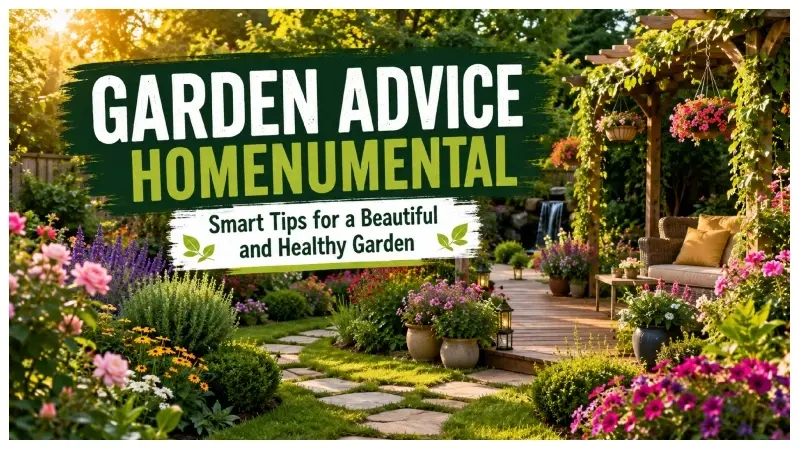
A beautiful garden does not happen by accident. It starts with good planning, healthy soil, suitable plants, and consistent care. Even a small outdoor space can become attractive when you make smart choices from the beginning.
garden-advice-homenumental is a useful concept for homeowners who want more than random planting ideas. It focuses on creating an outdoor space that looks appealing while remaining practical, healthy, and easier to maintain.
You do not need an enormous backyard or an expensive landscaping budget. Instead, you need to understand your space and work with its natural conditions.
Sunlight, soil, drainage, climate, plant selection, watering, and garden layout all affect the final result. Therefore, learning these basics can save you time, money, and unnecessary effort.
Whether you are starting your first flower bed or improving an established backyard, the right strategy can make gardening much easier.
What Makes a Garden Successful?
A successful garden balances beauty, function, and long-term health. Many beginners focus only on flowers and decorative features. However, plants need the right environment before they can thrive.
Start by asking a few simple questions:
- How much sunlight does the area receive?
- Does the soil drain quickly?
- Which plants suit the local climate?
- How much time can you spend on maintenance?
- Do you want flowers, vegetables, herbs, or a mixture?
- Where will people walk, sit, or relax?
These questions create a practical foundation for your garden plan.
The best gardens also have a clear purpose. Some homeowners want colorful flower beds. Others want fresh vegetables or herbs. Some prefer a quiet retreat with trees, seating, and attractive paths.
Your purpose should guide every major decision.
Understand Your Garden Space First
Before buying plants, spend time observing your outdoor area.
Walk around the garden at different times of the day. Notice where sunlight falls in the morning and afternoon. Watch how water moves after rain. Identify areas that stay wet or dry quickly.
This simple observation can prevent many common gardening mistakes.
Measure Sunlight
Sunlight is one of the most important factors in plant growth.
Some plants need several hours of direct sunlight each day. Others perform better in partial shade. Shade-loving plants may struggle when placed in intense afternoon heat.
Keep a simple record of your garden’s sunlight.
For example:
| Garden Condition | Suitable Plant Types |
|---|---|
| Full sun | Roses, lavender, many vegetables |
| Partial shade | Mint, some herbs, selected flowers |
| Bright indirect light | Shade-tolerant ornamentals |
| Deep shade | Plants adapted specifically to low light |
Always check the requirements of individual plants before planting.
Check Drainage
Poor drainage can damage roots and encourage fungal problems. On the other hand, extremely dry soil can cause plants to struggle during hot weather.
After heavy rain, observe where water collects. Those areas may require better drainage or plants that tolerate wetter conditions.
You can also improve soil structure with organic matter when appropriate.
Build Healthy Soil
Healthy soil is the foundation of a productive garden.
Plants depend on soil for water, nutrients, air, and physical support. If the soil has poor structure, even good plants may fail to perform well.
Start by examining its texture. Sandy soil usually drains quickly. Clay soil can hold water and become compacted. Loamy soil often provides a useful balance of drainage and moisture retention.
Adding mature compost can improve soil structure and increase organic matter. However, avoid adding random materials without understanding your soil.
A basic soil test can also provide useful information about pH and nutrient levels.
Why Soil Testing Matters
A soil test can help you understand whether your garden needs specific amendments.
Instead of guessing, you can make decisions based on actual conditions.
This approach can reduce unnecessary fertilizer use and help you create better growing conditions.
Remember that more fertilizer does not always mean better growth. Excess nutrients can create problems for plants and the surrounding environment.
Choose Plants That Match Your Conditions
One of the biggest gardening mistakes is choosing plants based only on appearance.
A beautiful plant may look perfect at the nursery. Yet, it may struggle in your garden if the light, soil, temperature, or moisture does not suit it.
Choose plants according to your environment first.
Native and well-adapted plants can often provide useful advantages. They may handle local weather patterns better and can require less intensive care once established.
Consider combining several plant types for a balanced appearance.
Mix Different Plant Heights
Layering creates depth and makes a garden look more intentional.
Place taller plants toward the back of a border. Use medium-height plants in the middle. Finish with low-growing plants near paths and edges.
This arrangement also helps prevent smaller plants from disappearing behind taller ones.
Add Seasonal Interest
A garden can look attractive throughout the year when you select plants with different seasons in mind.
Spring may bring flowering bulbs and fresh foliage. Summer can provide colorful flowers and productive vegetables. Autumn may introduce changing leaves and seed heads. Evergreen plants can provide structure during winter.
You do not need every plant to perform at the same time.
Instead, create a sequence of interest across the seasons.
Create a Functional Garden Layout
Good design should make your garden easy to use.
Think about movement before planting. If you frequently walk from your house to a shed, seating area, or gate, create a clear route.
Paths can also divide different sections of the garden.
For example, you could create:
- A flower border near the entrance
- A vegetable area in a sunny location
- A small seating zone
- A herb section near the kitchen
- A compost area away from main activity
- A shaded relaxation corner
This zoning approach makes even a modest garden feel more organized.
Use Focal Points Carefully
A focal point gives the eye somewhere to rest.
It could be a small tree, water feature, sculpture, attractive container, bench, or distinctive plant.
However, avoid adding too many statement pieces. Several competing focal points can make the garden feel cluttered.
Choose one major feature for a small garden. Larger spaces can support several features if they remain visually connected.
A focal point should also suit the overall style of your home.
For example, simple stone features may complement a natural garden. Clean lines may work better with modern architecture.
Water Plants Efficiently
Watering seems simple, but many garden problems begin with incorrect watering.
Overwatering can damage roots. Underwatering can cause stress and poor growth.
Instead of watering automatically every day, check the soil and weather conditions first.
Deep watering can encourage roots to grow further into the soil. However, the ideal frequency depends on the plant, soil, climate, season, and container size.
Water at the Right Time
Morning watering is often practical because temperatures are cooler and evaporation may be lower.
Avoid creating constantly wet foliage when possible. Watering near the soil can help deliver moisture directly to the roots.
Container plants may require more frequent attention because their soil dries faster than garden beds.
Use Mulch to Reduce Maintenance
Mulch can make garden care easier.
A suitable mulch layer can help conserve soil moisture, reduce weed competition, and moderate soil temperature.
Organic materials such as properly prepared compost or suitable bark-based products can also contribute organic matter as they break down.
However, keep mulch away from direct contact with plant stems and tree trunks. Excess material around stems can create unwanted moisture and encourage problems.
A moderate layer is usually more useful than piling mulch too deeply.
Practice Sustainable Gardening
A healthy garden should support more than the plants you grow.
Birds, bees, butterflies, and other beneficial organisms can contribute to a lively outdoor environment.
You can support biodiversity by growing flowers that provide nectar and pollen. Avoid unnecessary pesticide use and maintain some natural shelter where practical.
Start Composting
Composting turns suitable organic waste into a valuable soil amendment.
Garden leaves, plant material, and selected kitchen scraps can become useful compost when managed correctly.
A good compost system needs the right balance of materials, moisture, oxygen, and time.
Do not add meat, dairy, or unsuitable materials unless your composting method specifically supports them.
Finished compost should have a dark, crumbly appearance and an earthy smell.
Manage Garden Pests Naturally
Finding insects does not always mean you need pesticides.
First, identify the pest and determine whether it is actually causing meaningful damage.
Some insects are harmless. Others may even help control unwanted pests.
Encourage beneficial insects by growing diverse plants and avoiding unnecessary chemical treatments.
You can also inspect plants regularly for damaged leaves, unusual spots, distorted growth, or visible insects.
Early detection makes many garden problems easier to manage.
Maintain Plants Through Regular Pruning
Pruning can improve plant shape, remove damaged growth, and support healthy development.
However, timing matters.
Different plants respond differently to pruning. Some flower on older wood, while others produce flowers on new growth.
Before making major cuts, learn the pruning requirements of the specific plant.
Always use clean, sharp tools. Remove dead or damaged branches first. Avoid removing large amounts of healthy growth without a clear reason.
Good pruning should support the plant rather than fight its natural growth pattern.
Build a Simple Seasonal Routine
A seasonal schedule can prevent gardening tasks from becoming overwhelming.
Spring
Spring is a useful time to clean beds, inspect plants, prepare soil, and plan new planting.
Remove damaged growth and weeds before they become difficult to control.
It is also a good period to review your garden layout and decide which areas need improvement.
Summer
Summer maintenance often focuses on watering, mulching, harvesting, and monitoring pests.
Check plants regularly during hot weather. Container gardens may need particular attention.
Remove spent flowers when appropriate to keep certain plants looking tidy and encourage continued blooming.
Autumn
Autumn provides opportunities for cleanup, planting, composting, and preparing plants for colder weather.
Remove diseased plant material carefully rather than adding it to compost.
Add suitable mulch where needed and protect sensitive plants according to local conditions.
Winter
Winter is an excellent time for planning.
Review what worked during the previous growing season. Note which plants performed well and which struggled.
Use this quieter period to order seeds, design new beds, clean tools, and prepare a better plan for spring.
Make a Small Garden Feel Larger
Small spaces can still look impressive.
The key is to avoid overcrowding.
Use vertical structures for suitable climbing plants. Choose containers that serve more than one purpose. Keep paths clear and use repeated plant forms to create visual continuity.
You can also use different heights to add depth.
For instance, a small tree can create an upper layer. Medium shrubs can form the middle layer. Ground covers and low flowers can complete the lower layer.
This technique gives the garden more visual dimension without requiring extra land.
Create a Low-Maintenance Garden
Not everyone has hours available for gardening each week.
If your schedule is busy, choose plants that match the amount of care you can realistically provide.
Low-maintenance gardening often depends on the right plant in the right place.
Consider these strategies:
- Choose plants suited to local conditions.
- Group plants with similar water needs.
- Use mulch to reduce weeds.
- Avoid overcrowding.
- Install efficient irrigation where practical.
- Select durable hardscaping materials.
- Keep garden beds simple.
- Monitor problems before they become serious.
A low-maintenance garden does not mean a neglected garden. It means designing the space intelligently from the beginning.
Common Gardening Mistakes to Avoid
Even experienced gardeners make mistakes. However, several problems appear repeatedly.
Planting Without Checking Sunlight
A plant may fail simply because it receives too much or too little light.
Overwatering
More water is not always better. Check soil moisture before watering.
Ignoring Mature Plant Size
A small nursery plant can become much larger over time. Check its mature height and width before planting.
Crowding Plants
Plants need room for air circulation and healthy growth. Overcrowding can increase competition and disease problems.
Using Too Much Fertilizer
Excess fertilizer can damage plants and contribute to environmental problems.
Choosing Plants Only for Appearance
A beautiful plant is not necessarily a suitable plant.
Think about conditions before aesthetics.
A Simple Garden Planning Checklist
Use this checklist before starting a major garden project:
| Task | What to Check |
|---|---|
| Measure space | Garden size and available planting areas |
| Observe sunlight | Full sun, partial shade, or shade |
| Check soil | Texture, drainage, and basic fertility |
| Plan water | Hose access, irrigation, and rainfall |
| Select plants | Climate, mature size, and maintenance |
| Design layout | Paths, borders, seating, and focal points |
| Add mulch | Moisture retention and weed control |
| Plan maintenance | Seasonal pruning, watering, and cleanup |
| Support wildlife | Flowers, shelter, and diverse planting |
| Review results | What worked and what needs changing |
This simple process can make your garden project much more manageable.
How to Make Your Garden More Enjoyable
A garden should not only look good. It should also encourage you to spend time outdoors.
Add a comfortable chair or bench where space allows. Use warm outdoor lighting around paths and seating areas. Keep frequently used spaces close to the house.
You can also create a small morning coffee corner, reading area, or family gathering space.
Plants provide the foundation, but these practical additions can turn the garden into an extension of your home.
The most successful outdoor spaces support everyday life rather than simply looking attractive in photographs.
Why Long-Term Planning Matters
Gardening is a long-term process.
Some plants need several years to reach their mature size. Trees and shrubs can completely change the appearance of a garden as they grow.
Therefore, avoid making every decision based on immediate results.
Think about how your garden might look in one year, three years, and five years.
Leave enough room for plants to develop. Consider future shade from trees. Think about maintenance access and whether you will still enjoy the layout later.
This long-term mindset is one of the most valuable ideas behind garden-advice-homenumental.
A garden becomes more rewarding when each choice supports its future health.
Final Thoughts
A beautiful garden begins with practical decisions. You need healthy soil, suitable plants, proper sunlight, effective watering, and a layout that fits your lifestyle.
You also need patience.
Do not try to transform everything in one weekend. Start with the areas that matter most. Improve the soil, select appropriate plants, create useful paths, and build your garden gradually.
The principles behind garden-advice-homenumental can help homeowners create outdoor spaces that combine beauty, function, sustainability, and easier maintenance.
Most importantly, your garden should work for you. It should provide a place to relax, grow plants, enjoy nature, and spend time with family.
Start small, observe what works, and improve your garden season by season. With thoughtful planning and consistent care, even an ordinary outdoor space can become a healthy and welcoming part of your home.